
Cinco de Mayo: Beyond Sombreros and Margaritas (Unearthing the Rich History & Modern Celebrations)
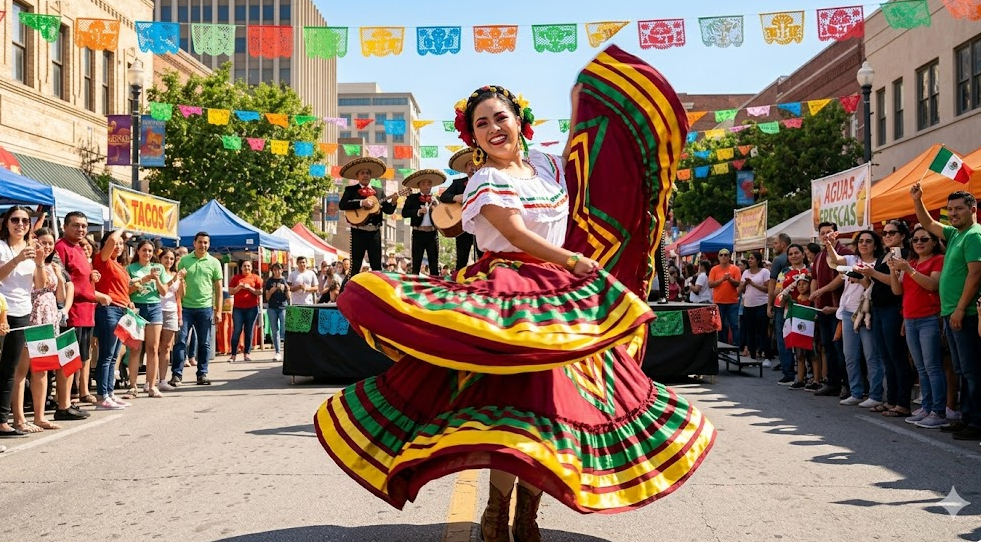
Cinco de Mayo. The phrase itself conjures vibrant colors, mariachi music, and perhaps a festive drink or two. But beyond the lively celebrations lies a fascinating history, a surprising twist on who actually celebrates, and a rich cultural tapestry that extends far beyond a simple fiesta. This post delves into the heart of Cinco de Mayo, unearthing its origins, clarifying common misconceptions, and exploring how it’s celebrated (and where!). So, grab your virtual passport and let’s journey into the true essence of Cinco de Mayo.
The Surprising Origin Story: Not Mexican Independence Day!
Perhaps the most widespread misconception about Cinco de Mayo is that it celebrates Mexican Independence Day. This honor belongs to September 16th, which commemorates Grito de Dolores (The Cry of Dolores), the 1810 event that launched Mexico’s war for independence from Spain.
Cinco de Mayo, which translates directly to “Fifth of May,” actually commemorates a different historical event: the Battle of Puebla in 1862.
A Day of Resilience: The Battle of Puebla
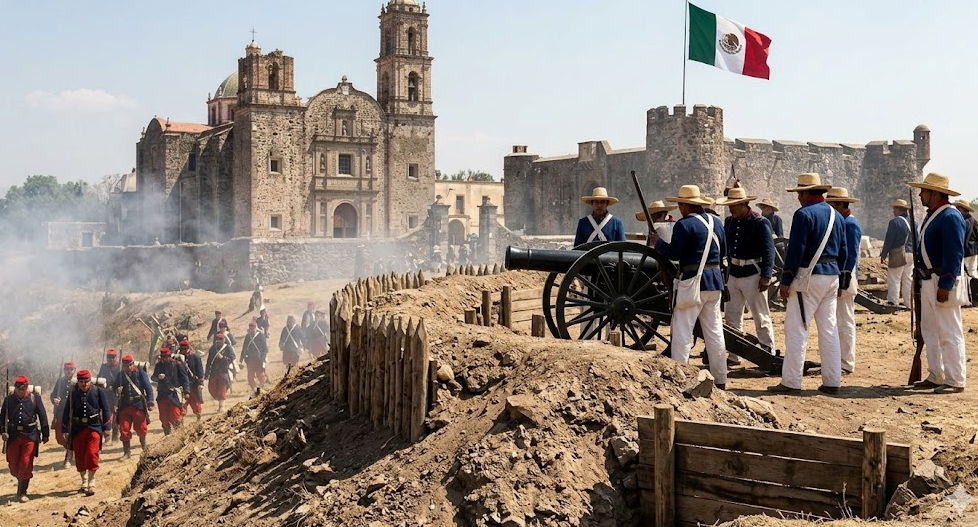
In the mid-19th century, Mexico was facing a financial crisis. Unable to pay its foreign debts, the country found itself in the crosshairs of several European powers, most notably France under Napoleon III. Seeing an opportunity to expand French influence in the Americas and establish a puppet monarch in Mexico, Napoleon III sent a large, well-equipped army to invade.
On May 5th, 1862, this French army, considered one of the most formidable in the world at the time, approached the city of Puebla. Expecting an easy victory, they faced a surprise: a smaller, poorly equipped, but fiercely determined Mexican army led by General Ignacio Zaragoza.
Against all odds, the Mexican forces, comprised largely of indigenous soldiers and volunteers, strategically defended Puebla. They utilized guerrilla tactics and a deep knowledge of the local terrain to repel the superior French army. This unexpected victory was a tremendous morale booster for Mexico, demonstrating their resilience and determination to resist foreign intervention.
A Symbol of Hope and Pride
While the Battle of Puebla didn’t ultimately prevent the French occupation (which lasted for a few years), it became a powerful symbol of Mexican resistance. It was a day when an underdog army defied the odds and stood up against a powerful oppressor. This victory instilled a sense of national pride and unity that resonated throughout the country, even during the difficult times that followed.
Who Actually Celebrates Cinco de Mayo?
Here’s where it gets really interesting: while the event occurred in Mexico, the grand-scale celebrations we often associate with Cinco de Mayo are much more prevalent in the United States than in Mexico itself.
In Mexico: Cinco de Mayo is observed primarily in the state of Puebla, the site of the battle. Here, it is a regional holiday marked with military parades, reenactments of the battle, and other patriotic events. However, it’s not a major national holiday in the rest of Mexico. Schools, banks, and government offices usually remain open, and most businesses operate as usual.
In the United States: So, why is it such a huge deal in the U.S.? The answer lies in the large and vibrant Mexican-American community.
Cinco de Mayo has evolved into a celebration of Mexican culture, heritage, and pride in the United States. It’s a day for people of Mexican descent, and indeed for all Americans, to honor the contributions of Mexican-Americans to the nation’s culture, economy, and society.
How is Cinco de Mayo Celebrated in the U.S.?
The celebrations are diverse and reflect the rich cultural fabric of the Mexican-American community. Common traditions include:
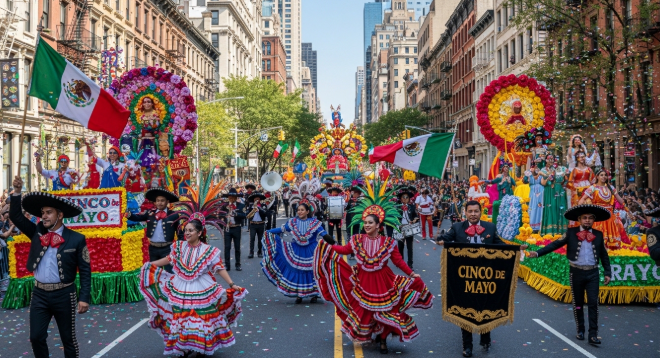
Parades: Many major cities across the U.S. host large, colorful parades featuring vibrant costumes, mariachi bands, traditional folk dancing (Baile Folklórico), and elaborate floats. These parades are often a centerpiece of the festivities, drawing crowds of spectators and participants.
Festivals and Fiestas: In addition to parades, there are countless local festivals and community gatherings. These events often feature:
- Live Music: Mariachi bands, regional Mexican music (like Norteño and Banda), and modern Latin music fill the air with festive sounds.
- Authentic Food: Vendors and food stalls serve up delicious traditional Mexican cuisine, from street tacos and tamales to more elaborate dishes like mole poblano.
- Arts and Crafts: Local artisans showcase their work, including intricate textiles, pottery, jewelry, and other traditional Mexican crafts.
- Cultural Performances: Dance troupes perform intricate and energetic traditional dances, while theatrical performances tell stories from Mexican history and folklore.
- Educational Activities: Some events offer workshops and presentations on Mexican culture, history, and traditions, providing opportunities for learning and appreciation.
The Evolution of a Holiday
Over time, Cinco de Mayo in the U.S. has also taken on a commercialized aspect. Many restaurants and bars offer specials and promotions, and there are countless themed parties and events. While some argue that this commercialization detracts from the true meaning of the holiday, it’s also a testament to the popular appeal of Mexican culture and its integration into American life.
Beyond the Borders: Global Celebrations
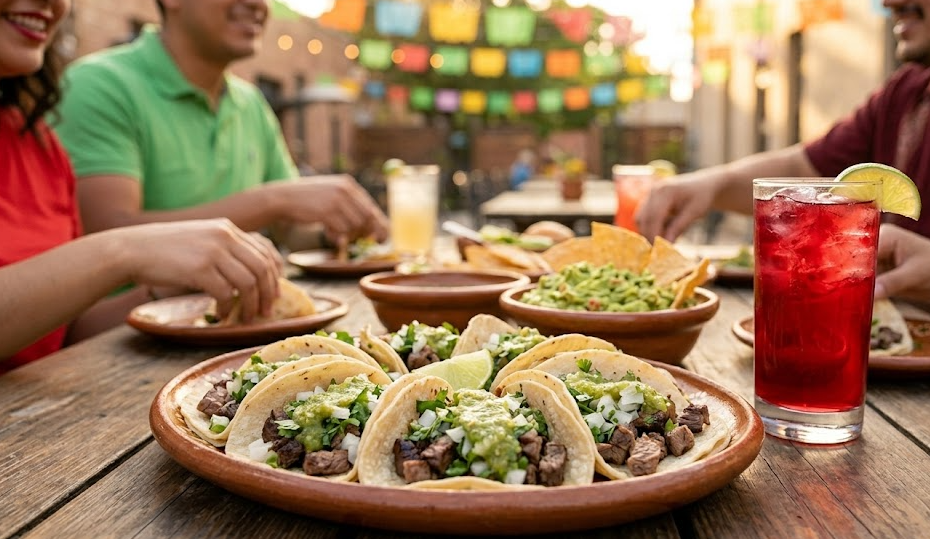
While the primary celebrations are in the U.S. and the state of Puebla, Mexico, the spirit of Cinco de Mayo is celebrated in smaller pockets around the world. In places with significant Mexican expatriate communities or where Mexican culture is celebrated (like major European and Latin American cities), you might find local restaurants, bars, or community centers hosting small-scale events. These celebrations might involve Mexican music, special food and drink offers, or small gatherings to honor the day’s significance.
When is Cinco de Mayo Celebrated?
The name says it all: Cinco de Mayo, or the Fifth of May. While the actual date is May 5th, the celebrations in the United States often span the entire weekend or even the week leading up to it. Major parades and festivals are typically scheduled for the weekend closest to May 5th to allow more people to participate and enjoy the festivities.
The True Meaning of Cinco de Mayo
As we celebrate the vibrant colors, the delicious food, and the infectious music of Cinco de Mayo, let’s also take a moment to remember its true significance. It’s not just about mariachis and margaritas. It’s about a day when a resilient nation stood up against oppression and defied the odds.
It’s a day to celebrate Mexican culture, heritage, and pride. It’s a day to honor the contributions of Mexican-Americans and to foster a deeper understanding and appreciation of our shared history and cultural richness.
So, this Cinco de Mayo, as you enjoy the festivities, take a moment to reflect on the historical battle that inspired it, the people who carry its legacy forward, and the enduring power of culture to connect us all. Let’s celebrate with joy, respect, and a deeper appreciation for the rich tapestry of human experience that Cinco de Mayo represents. ¡Feliz Cinco de Mayo!
Backyard Fiesta: How to Host Your Own Cinco de Mayo Celebration
If you can’t make it to a massive city parade, the next best thing is bringing the spirit of the holiday to your own backyard. Celebrating at home allows you to focus on the things that matter most: great food, meaningful traditions, and time with loved ones.
Here is your guide to hosting an authentic and lively backyard Cinco de Mayo celebration.
The Atmosphere: Vibrant & Welcoming
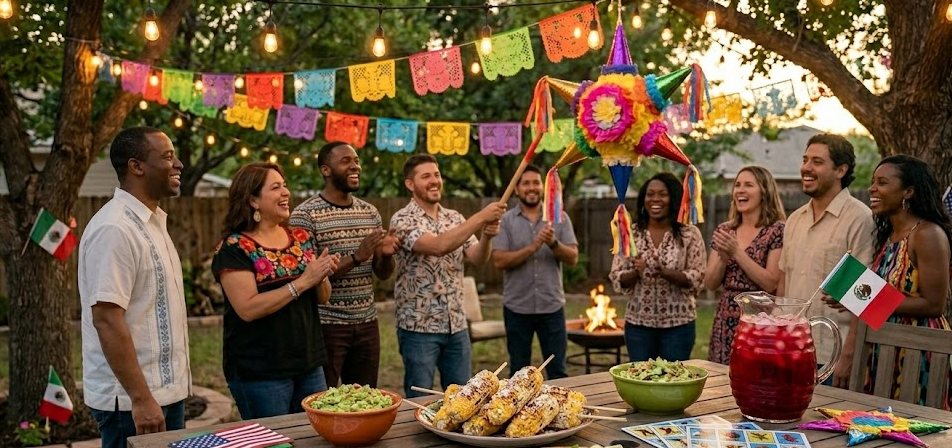
Transforming your space doesn’t require a massive budget—just a lot of color!
- Papel Picado: String these traditional Mexican cut-paper banners across your fence or between trees. They instantly signal a celebration.
- Table Settings: Use a colorful Mexican serape as a table runner. Mix and match brightly colored plates and napkins.
- Lighting: As the sun goes down, keep the energy high with string lights or lanterns to maintain that warm, festive glow.
The Menu: Fresh & Flavorful
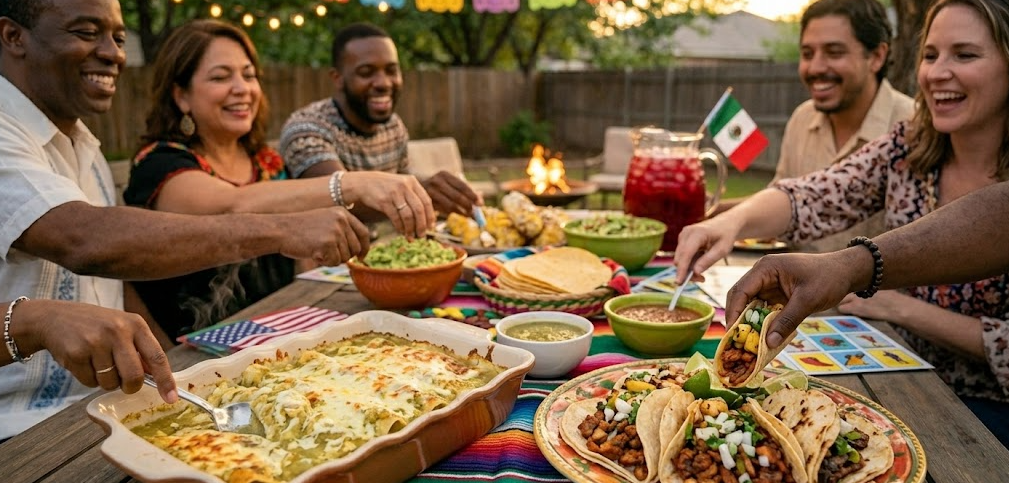
Move beyond standard “taco night” with these crowd-pleasing, authentic options.
Tacos Al Pastor (Simplified for the Grill)
While traditionally made on a vertical spit, you can get incredible results on a backyard grill.
- The Recipe: Marinate pork shoulder slices in a blend of achiote paste, pineapple juice, guajillo chiles, and cumin.
- The Secret: Grill thin slices of fresh pineapple alongside the meat. Serve on warm corn tortillas with chopped onion, cilantro, and a squeeze of lime.
Enchiladas Suizas
“Suiza” means “Swiss,” referring to the heavy use of cream and cheese in this dish—a delicious example of culinary fusion in Mexico.
- The Component: You’ll need shredded chicken (rotisserie chicken works great for a backyard shortcut), corn tortillas, and a generous amount of Swiss or Monterey Jack cheese.
- The Sauce (The Secret Sauce): Blend roasted tomatillos, jalapeños, garlic, onion, and cilantro with a big dollop of Mexican crema (or heavy cream). This creates a vibrant, velvety green sauce.
- The Assembly: Lightly fry the tortillas so they don’t break, dip them in the green sauce, fill with chicken, and roll them up.
- The Finish: Place them in a baking dish, smother with the remaining sauce and plenty of cheese, and bake until the cheese is bubbly and slightly golden.
2. The Side: Elote (Mexican Street Corn) This is always the star of the show.
- How to make it: Grill corn on the cob until charred. Slather it with a mixture of mayonnaise, crema (or sour cream), and lime juice. Roll the corn in crumbled Cotija cheese and dust with chili powder.
3. The Drink: Fresh Watermelon Agua Fresca A refreshing, non-alcoholic option that everyone will love.
- How to make it: Blend fresh watermelon chunks with a little water, a splash of lime juice, and a touch of agave or honey. Strain into a pitcher with ice and garnish with mint leaves.
Entertainment: Games & Activities
Keep guests engaged with activities that honor the festive spirit.
- The Piñata: It’s a classic for a reason. Whether you choose a traditional star shape (representing the seven deadly sins in certain historical contexts) or a fun modern design, it’s a highlight for both kids and adults.
- Loteria: Often called “Mexican Bingo,” this game uses a deck of cards with iconic images like La Luna (the moon) or El Corazón (the heart). It’s easy to learn and incredibly social.
- Hot Pepper Guessing Game: For the brave guests! Line up various peppers (bell, poblano, jalapeño, serrano, habanero). Have guests try to identify them or guess their Scoville heat level—just keep plenty of milk or tortillas nearby!
Cheers to a Great Celebration!
However you choose to mark the day—whether it’s a big community event or just a quiet evening on the patio with good food—the most important thing is to enjoy the moment. Here’s to a day filled with great music, even better company, and a table full of incredible flavors.
No matter what you have planned, we hope your day is bright, festive, and full of fun.
Happy Cinco de Mayo!
Leave a Reply