
The Origins and Significance of Christmas

Christmas, celebrated on December 25th, is a holiday that commemorates the birth of Jesus Christ, the central figure of Christianity. Its history is rich and multifaceted, blending religious, cultural, and secular traditions.
Origins:
The exact date of Jesus’ birth is not recorded in the Bible, and early Christians did not celebrate it. December 25th was chosen in the 4th century AD, possibly to coincide with the Roman festival of Sol Invictus (the “Unconquered Sun”) and the winter solstice, symbolizing light coming into darkness.
Religious Significance:
For Christians, Christmas marks the incarnation of God in Jesus Christ, emphasizing themes of hope, salvation, and divine love. The Nativity story, as told in the Gospels of Matthew and Luke, describes Jesus’ birth in Bethlehem, visited by shepherds and wise men.
Medieval and Renaissance Periods:
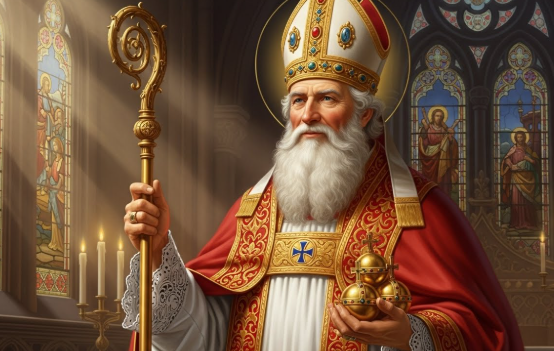
During the Middle Ages, Christmas became a time of feasting, merrymaking, and religious observance. Traditions such as the Christmas Mass, caroling, and nativity plays developed. The figure of St. Nicholas, a 4th-century bishop known for generosity, evolved into Santa Claus, a symbol of gift-giving.

Modern Celebrations:
Christmas customs vary worldwide but commonly include decorating Christmas trees, exchanging gifts, attending church services, and sharing festive meals. The holiday has also become a secular celebration emphasizing family, goodwill, and charity.
Cultural Impact:
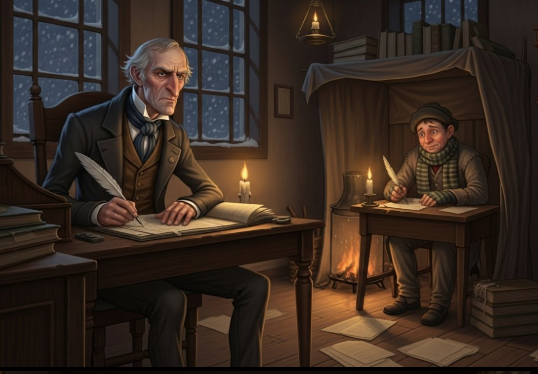
Christmas has influenced literature, music, and art, inspiring works like Charles Dickens’ “A Christmas Carol” and countless carols. Its commercial aspects grew significantly in the 19th and 20th centuries, shaping contemporary holiday practices.
In summary, Christmas is a holiday with deep religious roots that has evolved over centuries to encompass a wide range of cultural and secular traditions, making it one of the most widely celebrated holidays globally.

Leave a Reply