
My Part in Making the World a Better Place
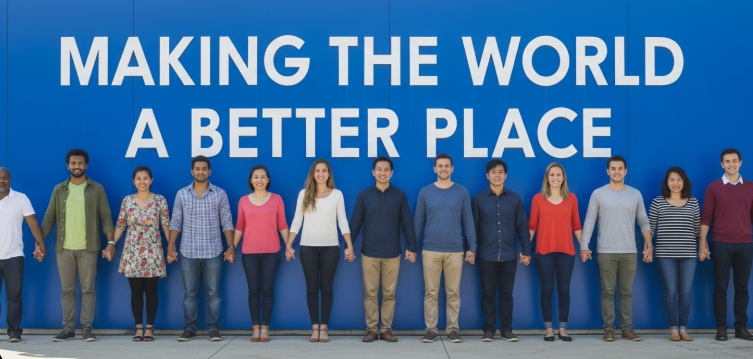
To make the world a better place in 2026, we must shift from being passive observers of a divided democracy to being active architects of a “Culture of Peace.” Making a difference isn’t just about massive political shifts; it is about the “micro-resolutions” and daily interactions that rebuild the social fabric.
Here is an in-depth guide to how you can personally foster peace, help others, and build a more unified world.
1. The Power of “Micro-Diplomacy”: Humanizing the Other
The greatest threat to democracy is affective polarization—viewing those on the “other side” as enemies rather than neighbors.
- The “Human First” Rule: In every interaction, especially online, practice seeing the person before the label. Research shows that learning personal details about someone—their hobbies, family, or struggles—makes us 30% less likely to view them as a threat.
- Active Listening: When in a disagreement, try the “Perspective-Taking” technique. Ask: “What life experiences led you to this belief?” Listening is not the same as agreeing; it is an act of validation that de-escalates hostility.
- Deep Canvassing: Volunteer for organizations that use “deep canvassing”—a method of engaging in long-form, empathetic storytelling to bridge divides on controversial issues.
2. Faith, Religion, and Radical Inclusion
For many, religion is the bedrock of morality. In a divided world, faith can either be a wall or a bridge.
- Interfaith Dialogue: Participate in or host an “Interfaith Table.” Bringing together members of different religious traditions to discuss shared values—like compassion, justice, and the sanctity of life—can correct misconceptions and reduce religious prejudice.
- Service Across Beliefs: Join a multi-faith community project. When a mosque, a synagogue, and a church work together to run a food bank or build affordable housing, the common goal transcends theological differences and builds “social capital.”
- Spiritual Empathy: Practice the “Circle of Concern” exercise. Intentionally look for ways to help those outside your immediate religious or social circle, proving that your values are universal rather than tribal.
3. High-Impact Altruism: Helping Where it Hurts
In 2026, the concept of Effective Altruism helps us ensure our efforts actually move the needle.
- Skill-Based Volunteering: Instead of general labor, offer your professional skills. If you are a coder, help a non-profit build an app; if you are a baker, support “Community Loaves” to provide fresh bread to food banks.
- Combatting “Silent” Violence: Firearm suicides now account for over 55% of gun deaths. You can save lives by advocating for “Lethal Means Safety”—educating friends on how to safely store firearms during a mental health crisis.
- Sponsoring Refugees: With global displacement at record highs, look into local “Circle of Welcome” programs that allow groups of citizens to help immigrant families settle into their new community.
4. Digital Citizenship: Being a “Guardian of Truth”
We are currently in an information war. Your behavior online is a civic act.
- The “Three-Second Pause”: Before sharing an inflammatory post or an AI-generated image, wait three seconds. Ask if it contributes to the solution or feeds the outrage machine.
- Reporting Misinformation: Don’t just argue with bots; report them. Help “clean up” the digital environment for others who may be more vulnerable to disinformation.
- Support Local News: Information “deserts” are where extremism grows. Subscribe to a local newspaper to ensure your community has a shared baseline of facts.
5. Summary: Your Daily Action Checklist
| Aspect | Action Item |
| Peace | De-escalate one online argument per week. |
| Helping | Commit to a monthly “Skill-Based” volunteer shift. |
| Religion | Attend one service or event of a faith different from your own. |
| Democracy | Reward political compromise by supporting moderate candidates. |
| Community | Meet one neighbor you’ve never spoken to before. |
An Exciting End: The Ripple Effect
The “current state” of the world is not a fixed destination; it is a choice we make every morning. When you choose empathy over anger, facts over fluff, and community over isolation, you aren’t just “helping”—you are performing a revolutionary act of democratic renewal. The world becomes a better place not because a single leader changes it, but because millions of people decide that being a “good neighbor” is more important than being “right.”