
Who Was Martin Luther King
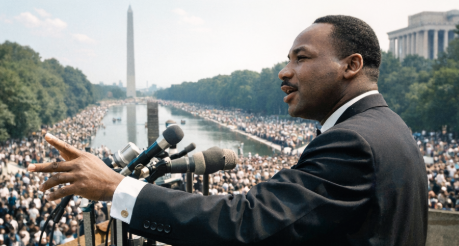
Martin Luther King Jr. Day: Honoring a Legacy That Still Calls Us Forward
Martin Luther King Jr. Day is more than a moment in history marked by speeches and quotations—it is a day of reflection, responsibility, and renewed purpose. Each year, we pause not only to remember Dr. King’s extraordinary leadership during the Civil Rights Movement, but also to consider what his vision demands of us today. His dream was not confined to a single generation; it was a challenge extended across time, asking each of us to help shape a more just and compassionate world.
Who Was Martin Luther King Jr.?
Born on January 15, 1929, in Atlanta, Georgia, Martin Luther King Jr. grew up during an era when racial segregation and discrimination were deeply woven into American life. As a Baptist minister, he drew upon his faith to shape a philosophy of nonviolent resistance, inspired by the teachings of Jesus and the strategies of Mahatma Gandhi. Dr. King believed that injustice could be confronted without hatred—and that moral courage was more powerful than violence.
This belief would guide his leadership as he became the voice of a movement that sought dignity, equality, and basic human rights for millions of Americans.
The Power of Nonviolence
One of Dr. King’s greatest contributions was his unwavering commitment to nonviolence. At a time when anger and fear could easily have turned protests into chaos, he insisted that peaceful resistance was not weakness, but strength. Nonviolence, he argued, exposed the moral failures of injustice while preserving the humanity of both the oppressed and the oppressor.
Through boycotts, marches, sit-ins, and speeches, Dr. King helped lead historic efforts such as the Montgomery Bus Boycott, the Birmingham Campaign, and the March on Washington. These actions played a critical role in the passage of landmark legislation, including the Civil Rights Act of 1964 and the Voting Rights Act of 1965.
“I Have a Dream” — More Than a Speech
Dr. King’s “I Have a Dream” speech remains one of the most powerful addresses in American history, not simply because of its eloquence, but because of its message. His dream envisioned a nation where people are judged not by the color of their skin, but by the content of their character—where justice flows freely, and opportunity is not limited by race, class, or background.
Importantly, Dr. King acknowledged that the dream was unfinished. He spoke honestly about the pain of inequality while offering hope rooted in action. That balance—truth paired with hope—is what keeps his words relevant today.
Martin Luther King Jr. Day as a Day of Service
Unlike many holidays, Martin Luther King Jr. Day is intentionally recognized as a “Day of Service.” It encourages people to honor Dr. King not only through remembrance, but through action. Volunteering, supporting community initiatives, mentoring youth, or simply standing up against injustice in everyday life are all ways to continue his work.
Dr. King once said, “Everybody can be great, because everybody can serve.” This idea reminds us that lasting change is built through small, consistent acts of compassion and courage.
Why Dr. King’s Message Still Matters
The challenges Dr. King confronted—inequality, injustice, and division—did not end with his lifetime. While progress has been made, his message remains deeply relevant in a world still grappling with fairness, unity, and respect. Martin Luther King Jr. Day invites us to ask difficult questions: How are we contributing to a more just society? Where can we listen more, learn more, and act more responsibly?
Carrying the Dream Forward
Honoring Martin Luther King Jr. means more than quoting his words—it means living them. It means choosing empathy over indifference, courage over comfort, and justice over silence. His legacy reminds us that progress is possible when ordinary people commit themselves to doing what is right.
As we observe Martin Luther King Jr. Day, may we not only remember the dream—but recognize our role in carrying it forward.
Leave a Reply