
Issues We are Facing as a Country
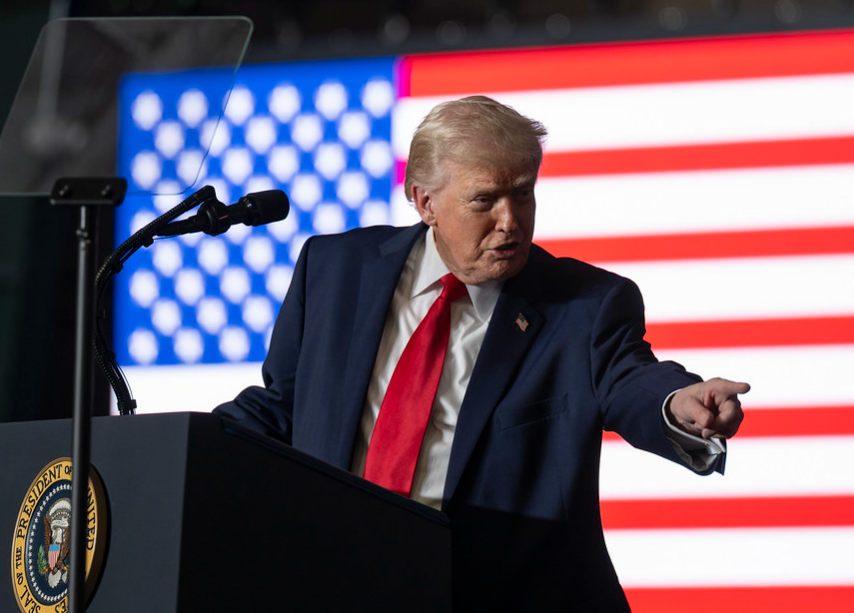
In 2026, the American experiment is navigating a period of profound turbulence. The “state of the union” is no longer just a speech; it is a live debate playing out in our streets, our courts, and our digital feeds. While the country remains a global powerhouse, the internal foundations of its democracy are showing visible cracks.
Here is an in-depth look at the primary issues currently facing the country and the democratic system.
1. The Crisis of Trust and Institutional Fragility
The most fundamental challenge to American democracy today is a pervasive collapse of trust. According to data from early 2026, only about 33% of Americans say they trust the federal government. While this is a slight increase from the lows of 2024, it reflects a society where nearly two-thirds of citizens view their own government as “corrupt” or “wasteful.”
- Partisan Hostility: Polarization has shifted from “policy disagreement” to “affective polarization”—where voters view the opposing party not just as wrong, but as an existential threat.
- The “Exhausted Middle”: A significant portion of the population feels unrepresented by either major party, leading to a sense of political homelessness and a decline in civic engagement among younger generations.
- The Judiciary under Fire: The Supreme Court’s use of the “shadow docket” and increasingly partisan rulings have led to a crisis of legitimacy, with critics arguing the court has become a tool for ideological warfare rather than a neutral arbiter of the law.
2. Gun Violence and the Evolving Nature of Violence
Gun violence remains a defining American crisis. While 2025 saw a statistical dip in certain categories of violence, the numbers remain staggering compared to any other developed nation.
2025-2026 Statistics at a Glance
| Category | 2025 Data | Trend |
| Total Gun Deaths | ~38,762 | Slight Decrease |
| Mass Shootings | 408 | Down from 504 in 2024 |
| Children/Teens Shot | 4,463 | Declining (15%) |
| Firearm Suicides | ~28,000 | Increasing (Projected Record) |
Despite the decline in mass killings, the “normalization” of daily shootings continues to strain public safety resources. Furthermore, a new dimension of violence has emerged: political intimidation. High-profile incidents, such as the assassination of conservative activist Charlie Kirk in late 2025, have fueled fears that political differences are increasingly being settled with violence rather than ballots.
3. Governance and the “Authoritarian Playbook”
A significant portion of the current democratic crisis stems from how power is being exercised at the federal level. Observers of democratic backsliding have raised alarms about the consolidation of executive power.
- Executive Aggrandizement: The executive branch has increasingly bypassed Congress to enact major policy changes—ranging from unilateral tariff impositions to the restructuring of federal agencies.
- The Civil Service Purge: Efforts to reclassify career civil servants as political appointees have threatened the “merit-based” backbone of the government, raising concerns about a return to a spoils system that favors loyalty over expertise.
- Federalism in Conflict: We are seeing a “tug-of-war” between the federal government and “Blue” states. The deployment of federal forces for immigration raids in major cities and threats to withhold federal funding from non-compliant states have created a fractured legal landscape.
4. The Information War: Misinformation and AI
Democracy relies on a shared reality, but in 2026, the “marketplace of ideas” is flooded with synthetic and manipulated content.
- The Rise of Deepfakes: AI-generated video and audio have made it nearly impossible for the average voter to distinguish between a candidate’s actual words and a sophisticated digital forgery.
- Platform Retreat: Major social media companies have significantly scaled back their “election integrity” teams, leading to a surge in unverified claims regarding voting processes and election security.
- Hyper-Localized Disinformation: Foreign and domestic actors are now using AI to create thousands of “local” news sites that pump out hyper-partisan misinformation tailored to specific zip codes, further eroding the social fabric.
5. Economic Anxiety and Inequality
While the stock market has shown resilience, the “kitchen table” economy remains a source of deep frustration.
- The Wealth Gap: The concentration of wealth among the top 1% continues to fuel populism on both the left and right.
- Fiscal Deficits: With the federal deficit rising, many Americans worry about the long-term sustainability of the social safety net (Social Security and Medicare), leading to a “zero-sum” mentality where groups fight over shrinking resources.
The Path Forward
The challenges of 2026 are not insurmountable, but they are systemic. Addressing them requires more than just winning an election; it requires a renewal of the “democratic spirit”—a commitment to the rules of the game even when your side loses. Whether through Supreme Court reform, stricter AI regulations, or community-based violence prevention, the solutions will require a rare commodity in modern America: compromise.