
Daylight Saving Time (DST) in 2026 begins on Sunday March 8th, 2026
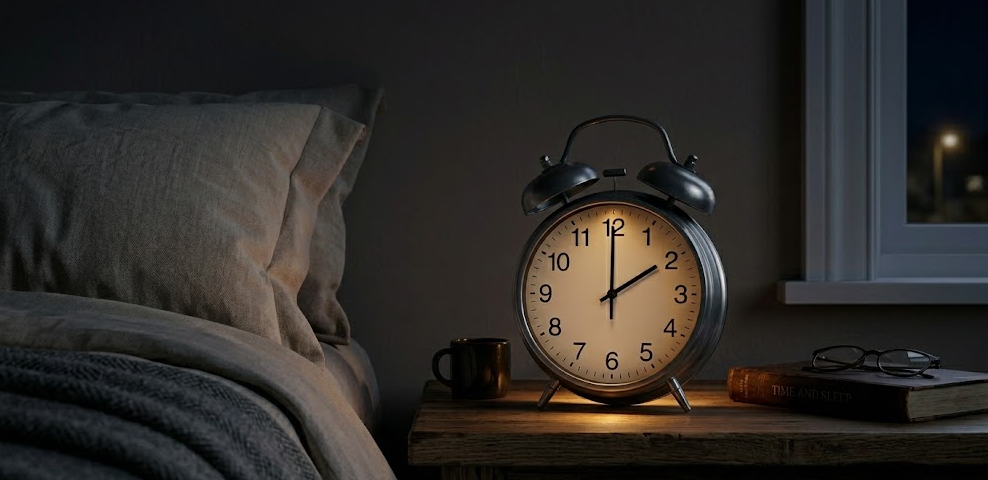
In the early hours of March 8, 2026, millions of people will once again perform the biannual ritual of “springing forward,” grumbling as they lose an hour of sleep in exchange for later sunsets. It is a tradition that has sparked a century of debate, and in 2026, that conversation is louder than ever.
Here is an in-depth look at the history, the mechanics, and the modern battle to kill the clock change for good.
The Origin Story: Insects, Golf, and War
Contrary to popular belief, Benjamin Franklin did not invent Daylight Saving Time (DST). While he wrote a satirical essay in 1784 suggesting Parisians wake up earlier to save on candles, he never proposed changing the clocks. The real movement began much later, driven by two very different men:
- George Hudson (1895): A New Zealand entomologist who wanted more daylight after work to collect insects. He proposed a two-hour shift, but the idea was initially laughed off.
- William Willett (1907): A British builder and avid golfer who was frustrated by having to cut his rounds short at dusk. He spent his life (and fortune) lobbying for “British Summer Time.”
The Turning Point: World War I
The idea finally became reality due to the desperation of war. In 1916, Germany and Austria-Hungary became the first nations to adopt DST to conserve coal and fuel for the war effort. Britain and the U.S. followed suit shortly after.
After the war, the practice was largely abandoned because it was unpopular with farmers (whose schedules were dictated by the sun and livestock, not clocks). It returned during World War II—then known as “War Time”—and was eventually standardized in the U.S. by the Uniform Time Act of 1966.
Why Do We Still Do It?
The primary logic for DST has evolved over the decades, moving from “saving coal” to “quality of life.”
- Safety: Proponents argue that extra evening light reduces traffic accidents and crime, as more people are off the roads and out of public spaces before it gets dark.
- The Economy: Retailers and the tourism industry love DST. More daylight means more people stopping at shops, playing golf, or visiting parks after work.
- Energy Savings: This is the most debated point. While it saves on lighting, modern studies suggest the savings are offset by increased use of air conditioning in the evenings.
The Growing Debate: Should We Stop?
As of 2026, public sentiment has reached a breaking point. A 2019 survey found that only 28% of Americans want to keep the current system. The debate isn’t just about whether to stop changing the clocks, but which time to keep.
The Case for Permanent Daylight Time
This is the “Sunshine Protection Act” approach.
- Pros: Later sunsets year-round, more outdoor activity, and a boost to the economy.
- Cons: Darker winter mornings. In some northern states, the sun wouldn’t rise until 9:00 AM, meaning children would wait for school buses in pitch darkness.
The Case for Permanent Standard Time
Sleep scientists and medical organizations (like the American Academy of Sleep Medicine) overwhelmingly prefer this.
- Pros: It aligns better with the human circadian rhythm. Morning light helps us wake up and regulates our internal clocks, leading to lower rates of obesity, heart disease, and depression.
- Cons: Earlier sunsets in the summer, which many people find “depressing” or restrictive for after-work hobbies.
Where We Stand in 2026
The movement to end the “time warp” is at a stalemate between state ambition and federal law.
- State Rebellion: Over 30 states have introduced or passed legislation to end the time change. However, under current federal law, states can opt into Permanent Standard Time (like Arizona and Hawaii), but they are legally prohibited from choosing Permanent Daylight Saving Time without an act of Congress.
- Federal Stagnation: The Sunshine Protection Act has been introduced multiple times. While it famously passed the Senate in 2022, it has consistently stalled in the House due to disagreements over whether “Standard” or “Daylight” is the healthier choice.
- Global Trends: Many countries are walking away. In the last decade, nations like Turkey, Russia, and Mexico have abolished seasonal time changes entirely.
The 2026 Daylight Saving Status Table
| Category | States / Regions | Legal Status |
| Permanent Standard Time | Arizona (most of), Hawaii, Puerto Rico, Guam, US Virgin Islands, American Samoa | Active. These states/territories never change their clocks. |
| Permanent Daylight Saving Time (Laws Passed) | Alabama, Colorado, Delaware, Florida, Georgia, Idaho (North), Louisiana, Maine, Minnesota, Mississippi, Montana, Oklahoma, Oregon (most), South Carolina, Tennessee, Texas, Utah, Washington, Wyoming | Triggered. Laws are signed but “on ice” until Congress changes federal law. |
| Actively Considering Legislation (2025–2026) | Illinois, Alaska, California, Kentucky, Pennsylvania | Pending. New bills were introduced in the 2025/2026 sessions to either “Lock the Clock” or move to Standard time. |
| The “Half-Hour” Wildcard | Proposed National Initiative (2026) | Proposed. A new 2026 bill (the Daylight Act) suggests a 30-minute compromise shift for the entire country. |
The Bottom Line
Daylight Saving Time was a 20th-century solution to a 20th-century energy problem. In a 21st-century world of LED bulbs, remote work, and a deeper understanding of sleep science, the practice feels increasingly like a relic. Whether we choose “The Sun” or “The Clock,” the consensus is clear: we’re tired of the switch.
Check out our 3-Step Recovery Guide below to beat the Monday morning fog!

Phase 1: The Pre-Shift Preparation
The goal is to incrementally shift your “Sleep Pressure” (Adenosine) so the one-hour jump feels like 15 minutes.
Day 1: The 15-Minute Micro-Shift
- The Action: Go to bed 15 minutes earlier than usual and wake up 15 minutes earlier tomorrow.
- The Science: Small shifts are easier for the heart and metabolic system to process than a sudden 60-minute shock.
- Nutrition Tip: Stop all caffeine intake by 12:00 PM. This ensures that by the time you hit the pillow, your adenosine receptors are clear and ready for deep sleep.
Day 2: The Temperature Trigger
- The Action: Take a hot shower or bath 90 minutes before your “new” earlier bedtime.
- The Science: Your body needs its core temperature to drop by roughly 2°F to initiate sleep. A hot bath causes “vasodilation,” bringing blood to the surface of the skin; when you step out, your core temperature plunges, signaling the brain to release melatonin.
Day 3: The Light Lock-Down
- The Action: Sunset your screens. At 8:00 PM, switch all devices to “Night Shift” mode (orange tint) and turn off overhead LED lights.
- The Science: Blue light (wavelengths around 480nm) suppresses melatonin for up to four hours. By switching to warm lamps, you allow your brain to begin its natural “wind-down” sequence.
Phase 2: The Transition Weekend (The Shift)
This is where most people fail by “sleeping in” on Sunday. Do not do that.
Day 4 (Saturday Night): The Midnight Buffer
- The Action: Change your clocks before you go to bed, not when you wake up.
- The Environment: Keep your bedroom at exactly 18°C (65°F). A cool room is the most powerful secondary signal (after light) for staying in REM sleep during the transition.
Day 5 (Sunday): The Solar Anchor
- The Action: Within 30 minutes of waking up, get direct sunlight on your face (without sunglasses) for 15–20 minutes.
- The Science: This is called the “Photic Reset.” Morning sunlight triggers a cortisol spike that clears out “sleep inertia” and sets a timer in your brain to feel tired exactly 14 hours later.
- The Rule: No Napping. If you feel a “Sunday Slump” at 2:00 PM, go for a walk or drink cold water. A nap will steal the “sleep pressure” you need to fall asleep on time tonight.
Phase 3: The Monday Morning Reset (The “Critical Zone”)
Monday is historically the day with the highest spike in heart attacks and traffic accidents following the time change.
Day 6 (Monday): The Protein Strategy
- The Action: Eat a high-protein breakfast (eggs, Greek yogurt, or nuts) within one hour of waking.
- The Science: Protein provides the amino acid Tryptophan, which your body eventually converts into Serotonin (for mood) and then Melatonin (for sleep) later that evening.
- Movement: Perform 10 minutes of light “Zone 2” cardio (brisk walking) in the morning light to further anchor your rhythm.
Day 7 (Tuesday): The Stabilization
- The Action: Evaluate your “Sleep Efficiency.” If you are still struggling, use a magnesium glycinate supplement 30 minutes before bed.
- The Result: By Tuesday night, your internal clock should be fully “entrained” to the new 2026 schedule, bypassing the usual two-week “time-change hangover.”


Leave a Reply