
What is Ash Wednesday.
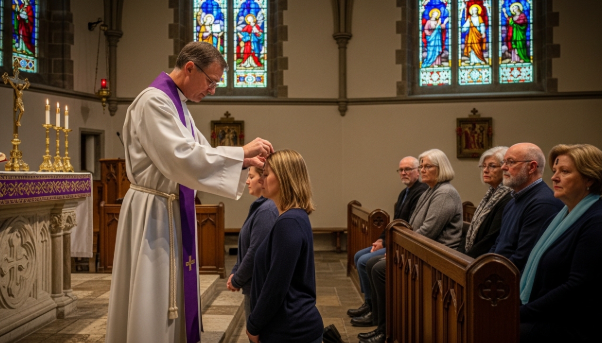
The Dust of Redemption: Preparing for Ash Wednesday 2026
As the winter chill begins to soften and the world prepares for spring, a more somber and reflective season arrives on the liturgical calendar. Ash Wednesday, the gateway to the Lenten season, is a day that invites us to pause, look inward, and remember our shared humanity.
In 2026, Ash Wednesday falls on Wednesday, February 18.
Whether you are a regular churchgoer or simply curious about the “smudge” on people’s foreheads, there is a deep, historical richness to this day that transcends simple ritual.
The History: From Sackcloth to the Sanctuary
While the specific ritual of Ash Wednesday as we know it today wasn’t formalized until the middle ages, its roots reach back thousands of years.
- Biblical Foundations: In the Old Testament, ashes were a universal symbol of mourning and repentance. Figures like Daniel, Job, and the people of Nineveh “donned sackcloth and ashes” to show God their humility and grief over their sins.
- The Early Church: By the 4th century, the Church began formalizing a period of preparation before Easter. However, it was primarily for “public penitents”—those who had committed grave sins—who would be sprinkled with ashes and dressed in sackcloth as they sought reconciliation.
- A Shift for Everyone: Around the 11th century, the practice shifted. Church leaders realized that everyone—not just “public sinners”—could benefit from a season of reflection. Pope Urban II recommended the distribution of ashes to all the faithful, and the name “Ash Wednesday” became standard.
- The 40-Day Rule: Why Wednesday? To ensure Lent lasted exactly 40 days (mirroring Jesus’ time in the desert) while excluding Sundays, which are always considered “mini-Easters” and days of celebration.
What the Ashes Represent
The ashes used on this day carry a poetic “full-circle” symbolism. They are created by burning the palm branches used during the previous year’s Palm Sunday. This links the “Hosannas” of Christ’s triumphal entry to the somber reality of the sacrifice that followed.
When a priest or minister marks a forehead with the cross, they typically say one of two things:
- “Remember that you are dust, and to dust you shall return.” (A reminder of our mortality).
- “Repent, and believe in the Gospel.” (A call to spiritual renewal).
Fasting and Reflection
For many, Ash Wednesday is one of the few remaining days of mandatory fasting and abstinence from meat. The goal isn’t just “hunger,” but a “spiritual hunger”—using physical discipline to clear away the noise of daily life and refocus on what truly matters.
Here is a mix of traditional and modern resolutions to help you find the right fit for your journey:

1. Fasting (Giving Something Up)
The goal here is to create a “void” that you fill with spiritual focus.
- Traditional: Give up sweets, soda, or alcohol.
- The “Digital Fast”: Delete social media apps from your phone for 40 days or commit to “No Screen Sundays.”
- The Consumption Fast: Commit to a “No-Spend” Lent where you only buy essential groceries and bills—no clothes, gadgets, or luxury items.
- The Habit Fast: Give up a specific negative behavior, like complaining, gossiping, or hitting the snooze button.
2. Prayer (Adding Something In)
Lent isn’t just about what you take away; it’s about what you cultivate.
- The “First 15”: Dedicate the first 15 minutes of your morning to silence or reading a devotional before checking your phone.
- Scripture Journey: Read one chapter of the Gospels each day. (By the end of Lent, you’ll have read almost all of them!)
- Gratitude Journaling: Write down three things you are grateful for every evening to shift your perspective toward abundance.
- Station Visits: Attend a weekly “Stations of the Cross” service or find a meditative version online.
3. Almsgiving (Acts of Charity)
This is about turning your gaze outward toward the needs of others.
- The 40-Bag Challenge: Each day of Lent, find one bag’s worth of items in your home to donate to a local shelter or charity.
- Intentional Encouragement: Write one handwritten thank-you note or “thinking of you” card each week to someone who has impacted your life.
- The “Coffee Conversion”: Calculate what you would spend on your daily coffee or treat and donate that exact amount to a local food bank at the end of the week.
- Service of Time: Volunteer for a specific number of hours at a soup kitchen or community garden during the 40 days.
Quick Note
Don’t feel like you have to do everything. Many people find it more meaningful to pick one thing to give up and one thing to add.
Note: Remember that Sundays are technically not counted in the 40 days of Lent, so many people treat them as “recharge” days where the fast is temporarily lifted—though staying consistent can sometimes be easier!
Leave a Reply