
Why We Need to Slow Down to Actually Live
It started with a trip to the grocery store on a Tuesday. I was driving down the main strip in my town, a route I’ve taken hundreds of times. But this day, I wasn’t listening to music or a podcast. I was just driving.
Maybe that’s why the chaos finally registered.
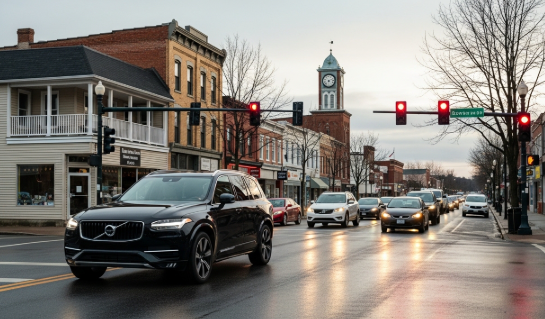
At the first major intersection, I watched a luxury SUV clearly accelerate into a steady red light, narrowly missing a small sedan turning left. A block later, a sports car woven through 2 lanes of traffic without signaling, its engine roaring, only to end up exactly one car length ahead of me at the next bottleneck. At the store, it was the same story: people speed-walking through the aisles, nudging past carts, and looking perpetually annoyed at the check-out line.
I got back to my car, put my groceries in the trunk, and just sat there for a moment. Why are we all rushing so much? What is the payoff? We are driving like we’re on our way to perform emergency surgery, when the reality is we are just trying to get some milk before it gets too late.
If you’re reading this, you probably feel it, too. We live in a world that is perpetually set to “Fast-Forward.” We pride ourselves on packed schedules, consider “busyness” a status symbol, and treat every red light, slow checkout clerk, or buffering video like a personal affront.
It’s time we have an in-depth conversation about this. We need to talk about why we are doing this, why it is destroying the exact life we are rushing to secure, and most importantly, what we can do to just slow down.
Part I: Why Are We Basically Rushing for Everything?
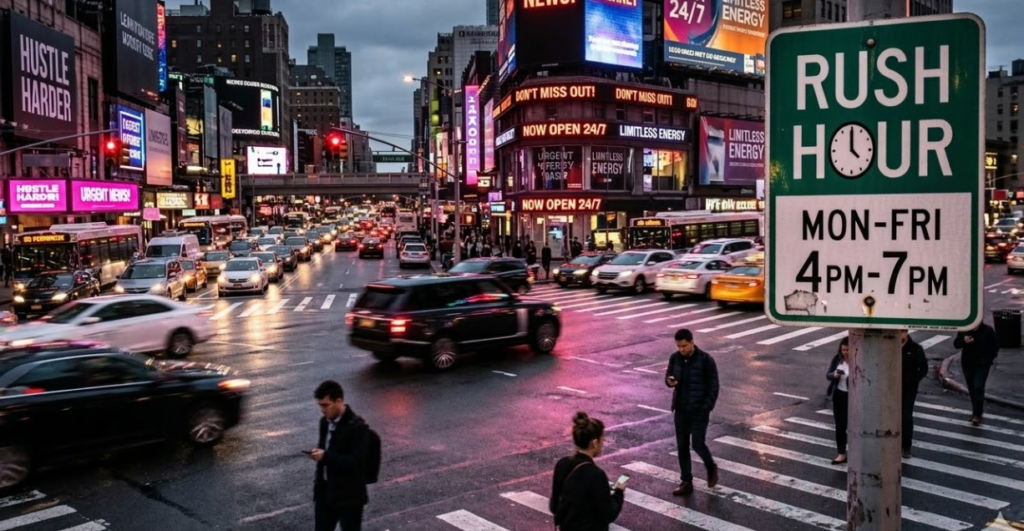
It’s easy to say, “Life is just faster now,” but that’s a simplification. The reasons we rush are deeply embedded in our psychology, our culture, and our technology.
1. The Cult of Productivity (The “Badge of Honor”)
We have been conditioned to believe that your worth is directly tied to your output. If you aren’t actively “doing something,” you are being “lazy.” Slowing down feels like a failing. When someone asks how you are, the most socially acceptable answer is “Busy!” If you answer “Relaxed,” people look at you as if you’ve given up. Rushing is our way of performing our importance to the world.
2. The Great Compression: Technology and Information Overload
Technology was supposed to save us time. Instead, it compressed time. Because we can do things instantly (email, text, shop), we feel like we must do everything instantly. We receive information at a rate the human brain was never designed to handle. This constant digital bombardment keeps us in a heightened state of alert, making us feel behind before the day even begins.
3. Fear of Missing Out (FOMO) and the Status Race
Social media provides a 24/7 curated highlight reel of what everyone else is achieving. We see the promotions, the “side hustles,” the exotic vacations, and the perfectly curated homes. This creates a low-grade anxiety that we aren’t doing enough, earning enough, or being enough. To keep up, we accelerate.
4. Financial Pressure and Economic Urgency
For many, rushing isn’t a choice; it’s a survival mechanism. Rising living costs and competitive job markets mean people feel they must operate at 100% capacity just to maintain stability. The fear of falling behind financially translates into a literal, physical rush through the day.
Part II: The Quiet Chaos: Why Constant Rushing Is Bad for You
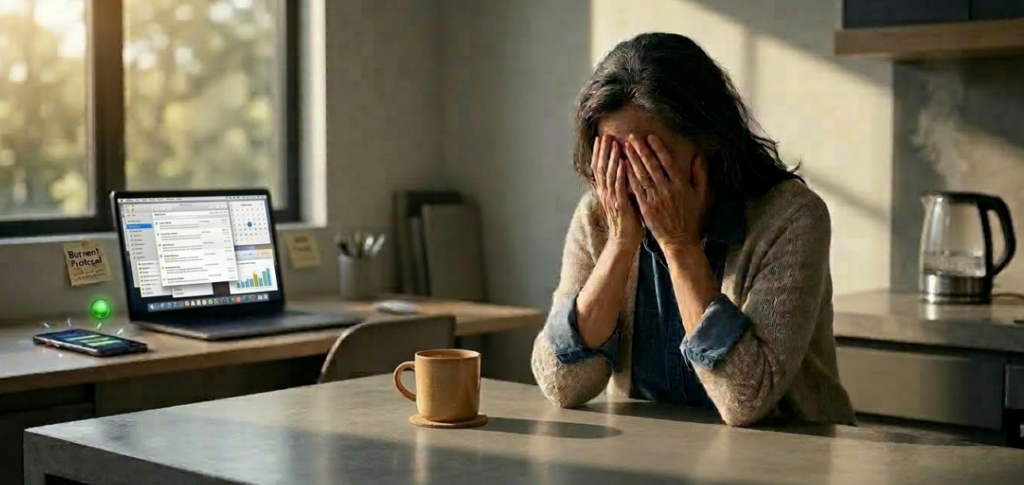
You might get a lot done today by rushing, but what is it costing you? The answer is: almost everything that makes life worth living.
1. The High Toll on Physical Health
Your body doesn’t know the difference between a real emergency and a self-imposed one. When you are rushing—heart racing, jaw clenched, shoulders tense—you are activating your “fight-or-flight” response. This releases cortisol and adrenaline. While useful in bursts, chronic exposure to these stress hormones leads to hypertension, heart disease, a weakened immune system, and sleep disruption.
2. The Mental Health Trap: Burnout and Anxiety
Rushing through your day is akin to driving a car at 100 mph in second gear. Eventually, the engine blows. That engine is your brain. This constant state of urgency is a primary driver of modern anxiety and eventual burnout. When you treat everything like an emergency, nothing is.
3. The Death of Relationships
You cannot be present and rushed at the same time. Rushing leads to irritability, which we often take out on the people closest to us. When we do spend time with family or friends, we are often “there” but not present. We are checking our phones, thinking about the next task, or mentally reliving the traffic incident. We miss the subtle emotional cues that make connections meaningful.
4. The Erasure of Joy and Savoring
Think about the last time you truly savored something. A coffee. A conversation. A sunset. Rushing forces you to skip over the details. You don’t eat; you “inhale” fuel. You don’t walk through the park; you “commute” through it. You are perpetually living in the future (the next task), which means you never actually experience your life, because life only happens in the present.
Part III: The Slowing Down Toolkit: What Can Be Done to Just Slow Down and Enjoy Life

Slowing down isn’t about becoming passive. It’s about becoming intentional. It’s about taking your time, so your time doesn’t take you.
1. Shift Your Mindset: Accept the Impossible
The first step is a painful but liberating realization: You will never get everything done. There is always one more email, one more chore, one more goal. Rushing is a futile attempt to reach a non-existent finish line. Once you accept that “unfinished” is the natural state of life, you can stop treating your to-do list like a survival challenge and start prioritizing what truly matters today.
2. Reclaim Your Morning: The 15-Minute Rule
Most people start their day in a panic: alarm, snooze, scramble, rush. This sets the tone for the entire day.
- The Tool: Wake up just 15 minutes earlier than you need to, but do not use this time for chores or productivity. Use it to sit in silence, stretch, read, or drink a coffee slowly without looking at your phone. Starting in control allows you to meet the day’s demands without being consumed by them.
3. Reclaim Your Senses: Savor One Routine a Day
You don’t have to slow down your entire life. Just start with one thing you already do every day.
- The Tool: Choose one routine—your morning coffee, taking a shower, or your lunch break. For that one activity, commit to doing nothing else. Do not scroll your phone. Do not check your watch. Focus entirely on the task. Notice the warmth of the coffee cup, the smell of the soap, the taste of your food. This acts as a sensory anchor, pulling your brain back into the present moment.
4. Introduce Buffer Time and the Art of “Monotasking”
We rush because we leave no margin for error. A traffic jam isn’t just an inconvenience; it’s a catastrophe if your schedule is packed back-to-back. Multitasking is the accomplice of rushing.
- The Tool:
- Buffer Time: Add 10-15 minutes to every transit time and 5 minutes between meetings.
- Monotasking: If you are talking to your child, that is all you are doing. If you are writing an email, that is all you are doing. Do one thing at a time, and do it fully. You will find that you actually get things done faster, because you are making fewer mistakes.
5. Reclaim “Nothing”: Practice the Uncomfortable Idle
In our world, any idle moment (waiting for an elevator, sitting in traffic, waiting in line) is instantly filled by a phone. We have lost the ability to just be.
- The Tool: The next time you are waiting in line, keep your phone in your pocket. Just look around. Notice people. Listen to the sounds of the environment. If you are in traffic, take advantage of the red light. Instead of scowling, use it as a reminder to take three deep, diaphragmatic breaths. Turn the obstacle into an opportunity to reset.
Final Thought
When I was at the grocery store that Tuesday, I realized that the person who ran the red light, the person who was weaving through traffic, and the people power-walking through the aisles were all missing the same thing: their own lives. They were trading their health, their happiness, and the opportunity for connection for the sake of saving five minutes that they would likely use to rush to the next thing anyway.
It is a bad trade.
Life is not a race to be finished. It is a meal to be savored. Slowing down feels scary at first. It feels “undeserved” or “unproductive.” But the truth is, if you are always rushing, you aren’t living; you are just surviving a self-imposed obstacle course.
The red light will eventually turn green. The traffic will eventually clear. The chore will eventually get done. But the moment you are in right now? This one? It will never come back.
Slow down. Savor it. Live it.


Leave a Reply