
A Brief Look at the Current Status of the United States
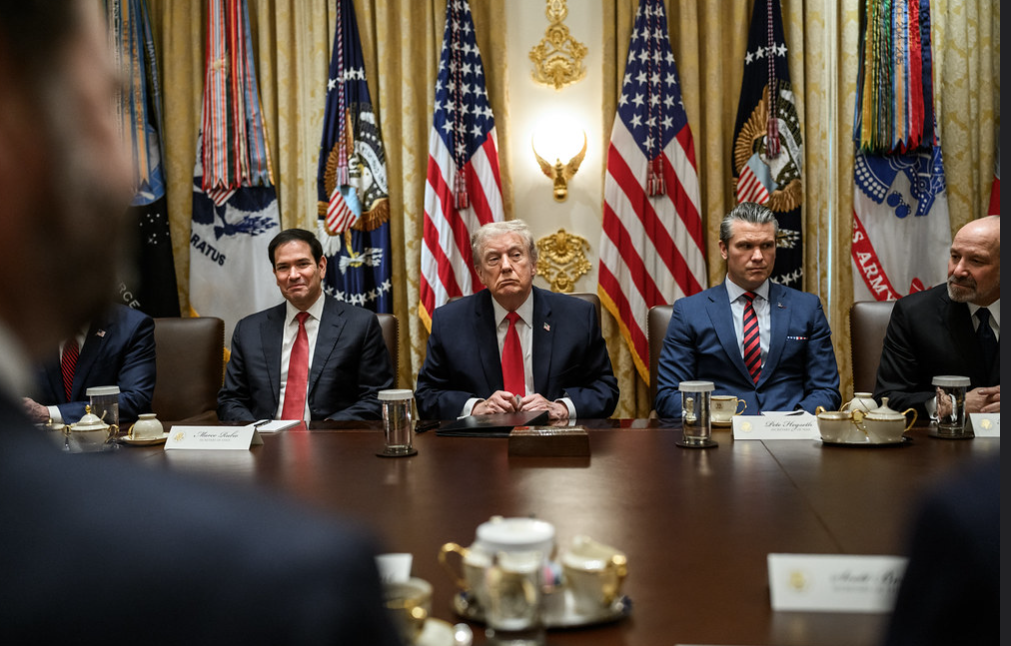
As we enter February 2026, the second term of Donald Trump has fundamentally shifted the trajectory of the United States. The administration’s “America First” philosophy is no longer just a slogan; it has become a series of aggressive, structural changes to the economy, foreign relations, and the very machinery of the federal government.
Here is an in-depth look at the current status of the U.S. under the 47th President.
1. The Economy: “The Big Beautiful Boom” vs. The Tariff Burden
The economic landscape of 2026 is a study in contrasts. The White House recently celebrated “365 Wins,” citing a real GDP growth of 4.3% in late 2025—a pace they project will exceed 5% or even 6% by the end of 2026. However, these gains are set against a backdrop of rising costs for the average household.
Key Economic Changes & Status:
- The “One Big Beautiful Bill” Act (OBBBA): Signed into law in July 2025, this sweeping legislation represents a massive overhaul of the tax code and social safety net. It permanentized many first-term tax cuts and introduced new “No Tax on Tips” provisions. Critics, including the Center for American Progress, argue it has resulted in a significant transfer of wealth and increased the 10-year deficit projection by roughly $3.4 trillion.
- The New Trade War: The administration has deployed the International Emergency Economic Powers Act (IEEPA) to impose unprecedented tariffs. As of February 2026, the weighted average tariff rate on imports has risen to nearly 10%—the highest since 1946. While this has generated billions in revenue (roughly $175 billion projected for 2026), the Tax Foundation estimates it adds a $1,300 annual burden to the average U.S. household.
- Inflation & Labor: Inflation currently sits at 2.7%, down from its post-pandemic peaks but still above the Federal Reserve’s 2% target. Interestingly, the administration has achieved “negative net migration” for the first time in 50 years, claiming this has driven the largest blue-collar wage growth in decades, though sectors like agriculture and hospitality report severe labor shortages.
2. Foreign Policy: “Maximum Pressure” and Regional Intervention
Foreign policy has become the administration’s primary tool for domestic leverage. The 2026 strategy is defined by a “finish what we started” mentality, favoring unilateral action over traditional alliances.
Current Foreign Policy Status:
- The Venezuela Intervention: In a shocking turn of events, the U.S. captured Venezuelan leader Nicolas Maduro on January 3, 2026. The administration views this as a “law enforcement operation” to stabilize the region and secure oil assets. However, the Council on Foreign Relations warns this has created a massive power vacuum, making a full-scale military conflict with Venezuelan remnants a top security threat for 2026.
- Iran & “Operation Midnight Hammer”: Following Iran’s refusal to negotiate a new nuclear deal, President Trump authorized Operation Midnight Hammer in June 2025, which reportedly destroyed major Iranian nuclear facilities. In February 2026, the U.S. officially established “secondary tariffs” on any country that purchases goods or services from Iran, effectively forcing allies to choose between Tehran and Washington.
- Shifting Alliances: The U.S. has significantly reduced funding for international organizations and “woke” diplomatic programming. Relations with European allies remain strained due to 25% incremental tariffs on partners who continue to trade heavily with Russia or Iran (such as India and certain EU members).
3. General Status: A Nation in Transition
The United States in early 2026 is characterized by a “vibe shift” toward deregulation and administrative overhaul.
- Government Efficiency (DOGE): Led by high-profile external advisors, the administration has moved to dismantle what it calls the “Deep State.” This includes the reclassification of thousands of civil service roles to “Schedule F,” making them fireable at will, and moving federal agencies out of Washington D.C.
- Social & Health Shifts: The OBBBA significantly cut funding for the Affordable Care Act (ACA) and SNAP (food stamps). Experts project that by the end of 2026, roughly 5 million people may lose health insurance coverage as tax credit eligibility for certain demographics expires.
- National Sentiment: Polarization remains at historic levels. While the stock market has hit repeated record highs and energy prices have dropped (gas is below $3/gallon in 43 states), consumer sentiment remains “dour” due to the rising costs of food, housing, and healthcare.
Summary of the U.S. in February 2026
| Metric | Status |
| GDP Growth | High (Targeting 5–6%) |
| National Debt | Rising (Projected $1.7T deficit for FY2026) |
| Trade Policy | Protectionist (Avg. 10% tariff) |
| Global Standing | Assertive/Unilateral |
| Social Climate | Highly Polarized/Deregulated |