
The Oval Office: A Look Back at the Last Four Presidencies
As we navigate through 2026, the political landscape of the United States continues to evolve at a rapid pace. To understand where we are today, it is essential to look back at the four leaders who shaped the 21st century: Barack Obama, Donald Trump (first term), Joe Biden, and the current administration of Donald Trump (second term).
Each of these presidencies was defined by unique crises, ambitious policy shifts, and a transforming national identity.
1. Barack Obama (2009–2017)
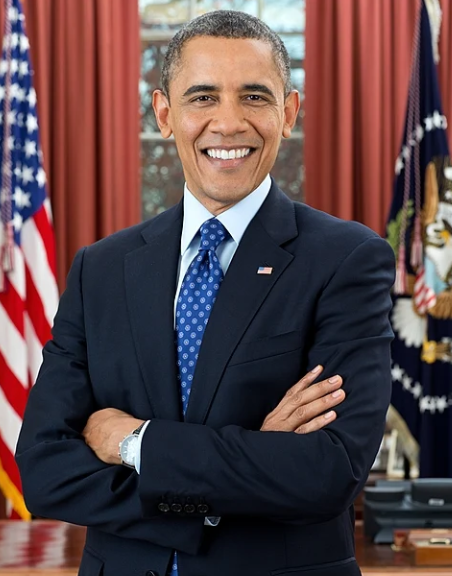
The Mandate: “Hope and Change” in the wake of the 2008 financial crisis.
- Significant Policies & Changes:
- The Affordable Care Act (ACA): Often called “Obamacare,” this was the most significant overhaul of the U.S. healthcare system in decades, expanding coverage to millions and prohibiting insurance companies from denying coverage for pre-existing conditions.
- Dodd-Frank Wall Street Reform: Enacted to prevent a repeat of the 2008 financial crisis by monitoring systemic risk and restricting the ways banks can invest.
- Foreign Policy: Directed the operation that killed Osama bin Laden and entered the Paris Climate Agreement and the Iran Nuclear Deal (JCPOA).
- Status of the US: Obama inherited a collapsing economy and left it during one of the longest periods of sustained job growth in history. However, the period was also marked by deep partisan gridlock and the rise of the Tea Party.
- Overall Rating: Generally rated in the top quartile (often top 10) by historians for his economic stabilization and social progress, though criticized for the rise of ISIS and his use of drone strikes.
2. Donald Trump – First Term (2017–2021)
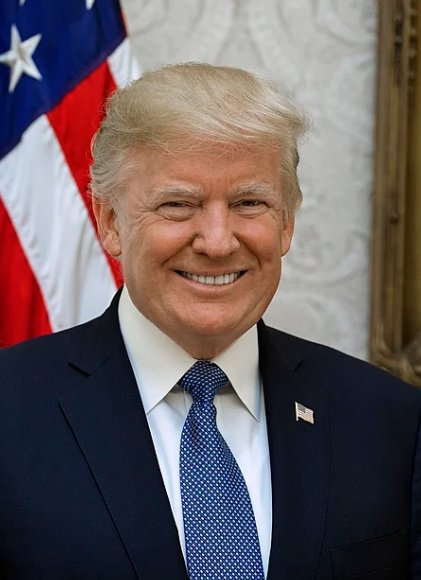
The Mandate: “Make America Great Again,” focusing on populism, deregulation, and trade protectionism.
- Significant Policies & Changes:
- Tax Cuts and Jobs Act of 2017: A massive overhaul of the tax code that lowered the corporate tax rate from 35% to 21% and increased the standard deduction for individuals.
- Judicial Appointments: Reshaped the federal judiciary by appointing over 200 federal judges and three Supreme Court justices, which eventually led to the overturning of Roe v. Wade.
- Trade & Immigration: Withdrew from the Trans-Pacific Partnership (TPP), replaced NAFTA with the USMCA, and implemented “Zero Tolerance” border policies, including family separations.
- Status of the US: Prior to the 2020 pandemic, the U.S. saw record-low unemployment (3.5%) and high stock market performance. His term ended with the massive $2 trillion CARES Act stimulus during the COVID-19 pandemic and significant social unrest.
- Overall Rating: Extremely polarizing. While supporters praise his economic results and judicial wins, scholars frequently rank him toward the bottom of historical lists, citing challenges to democratic norms and the events of January 6th.
3. Joe Biden (2021–2025)
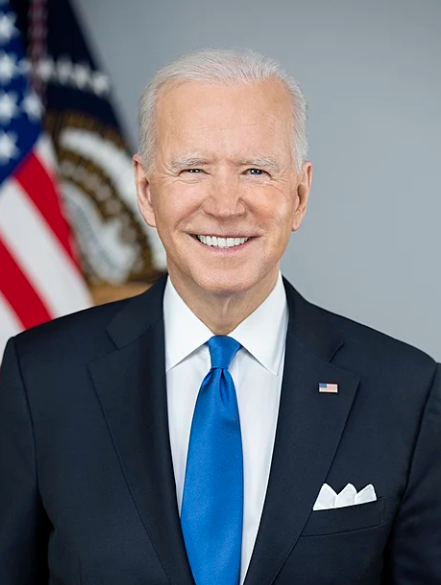
The Mandate: “Build Back Better” and restore “decency” and institutional stability to the White House.
- Significant Policies & Changes:
- The Inflation Reduction Act: The largest climate investment in U.S. history, which also capped insulin prices at $35 for seniors and allowed Medicare to negotiate drug prices.
- Bipartisan Infrastructure Law: A $1.2 trillion investment into the nation’s “physical” infrastructure, from high-speed rail to clean drinking water.
- The CHIPS and Science Act: Aimed at boosting domestic semiconductor manufacturing to decrease reliance on foreign (specifically Chinese) supply chains.
- Status of the US: Biden oversaw a record-breaking job recovery post-pandemic (adding over 15 million jobs). However, his term was plagued by a global spike in inflation and high interest rates, alongside a chaotic withdrawal from Afghanistan.
- Overall Rating: Often ranked in the middle-to-high range (around #14 in recent scholar polls) for his legislative productivity, though his public approval remained low due to economic perceptions.
4. Donald Trump – Second Term (2025–Present)
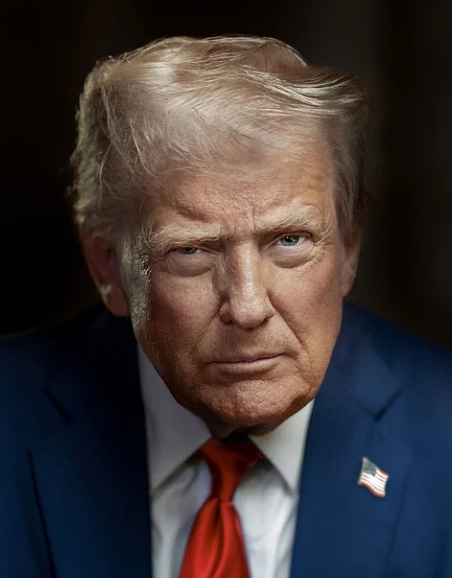
The Mandate: “American Liberation,” focused on mass deportations, aggressive tariffs, and dismantling the “Deep State.”
- Significant Policies & Changes (to date):
- Reciprocal Tariff Act: The implementation of broad tariffs, including the “Liberation Day” tariffs of early 2025, which have aimed to protect domestic industry but contributed to a rise in consumer prices for goods like electronics and clothing.
- Government Efficiency (DOGE): A major push to downsize federal agencies, ending DEI programs across the government, and moving to “Schedule F” to make thousands of civil service roles fireable by the President.
- Energy and Health: Withdrew the U.S. from the World Health Organization (WHO) again (effective Jan 2026) and reversed Biden-era EV mandates to focus on “Energy Dominance” through fossil fuels and nuclear power.
- Status of the US: As of early 2026, the country is in a state of rapid transition. While certain domestic sectors (like mining and oil) report growth, the manufacturing sector has seen volatility due to trade retaliations from China and Canada.
- Overall Rating: Historically unique as the first non-consecutive second term since Grover Cleveland; public opinion remains split between those who see it as a necessary disruption and those concerned about economic stability and civil service cuts.
Summary Table: A Side-by-Side Comparison
| President | Key Focus | Top Legislation | Economic Environment |
| Obama | Social Safety Net | Affordable Care Act | Recovery from Recession |
| Trump (1st) | Deregulation | Tax Cuts & Jobs Act | Strong Growth then COVID |
| Biden | Infrastructure/Climate | Inflation Reduction Act | Post-COVID Recovery/Inflation |
| Trump (2nd) | Reform/Tariffs | Tariffs & Efficiency EOs | Trade Realignment & Volatility |